When the Law Meets Family Life: Rethinking Justice in Ethiopia
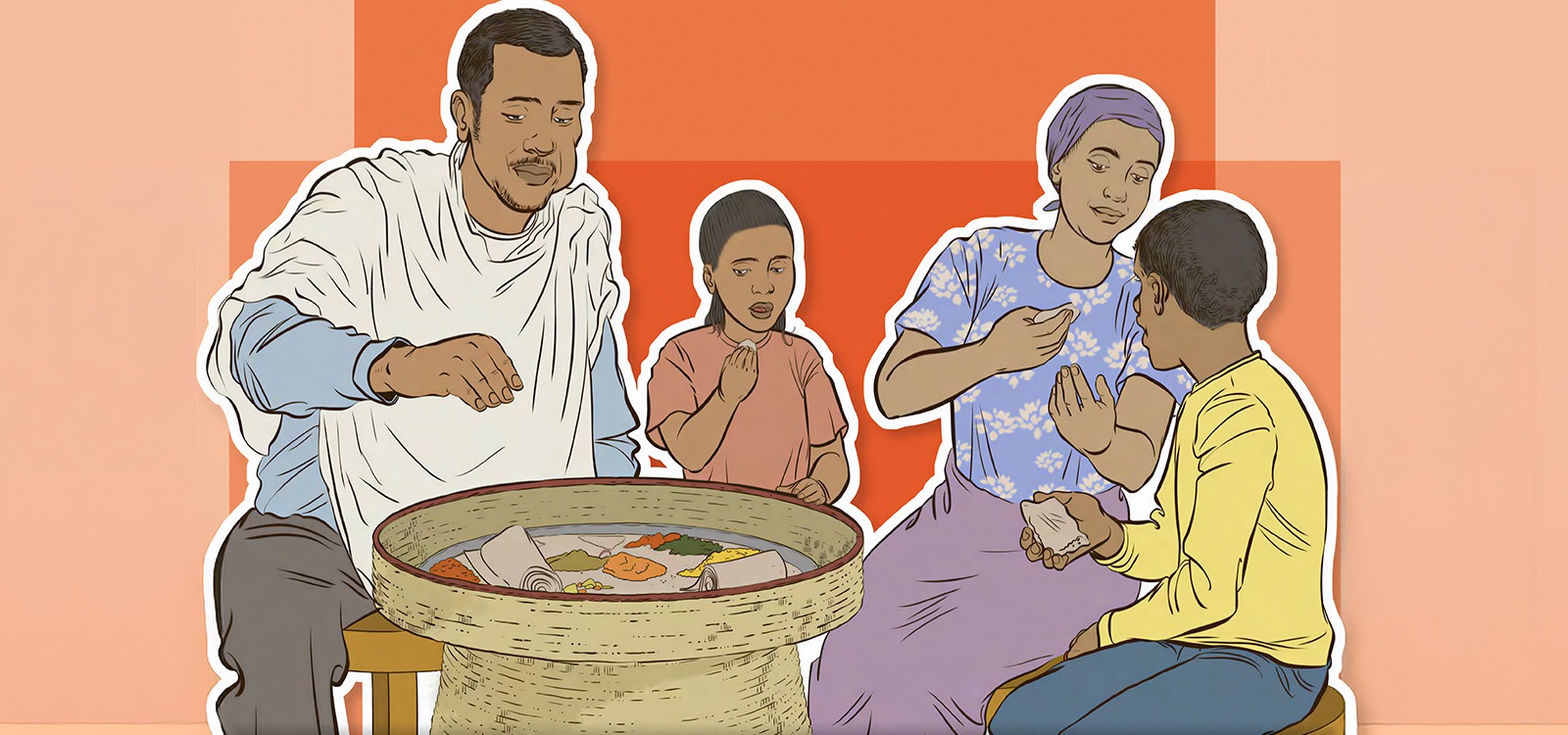
“As the Adey flower brightens the land, a well-ordered family brightens the nation”—The Ethiopian saying captures an idea at the heart of family justice: when families are stable, communities are stronger.
For many people, a family dispute is never just a legal question. A dispute over maintenance, custody, or divorce can quickly become a question about livelihood, family relationships, dignity and a child’s future. Resolving them requires more than knowing what the law says. It requires understanding who is involved, what is at stake, and how people actually seek justice in their communities.
This matters particularly in Ethiopia, where family disputes are among the country’s most common justice problems. HiiL’s Justice Needs Surveys found that family disputes account for 11% of all legal problems in the country. The Ethiopian Human Rights Commission has also identified family issues as a top-priority justice concern nationally, second only to land. But courts are only one part of how people resolve disputes. Across Ethiopia, elders and other customary justice providers already play an important role in helping people resolve disputes. The challenge is making sure that these different justice pathways can deliver outcomes that are fair, consistent and sensitive to the needs of those involved—especially children and others in vulnerable situations. The Ethiopian Family Justice Guidelines aim to bridge that gap by grounding family dispute resolution in the realities of local communities.
Turning legal principles into practical guidance
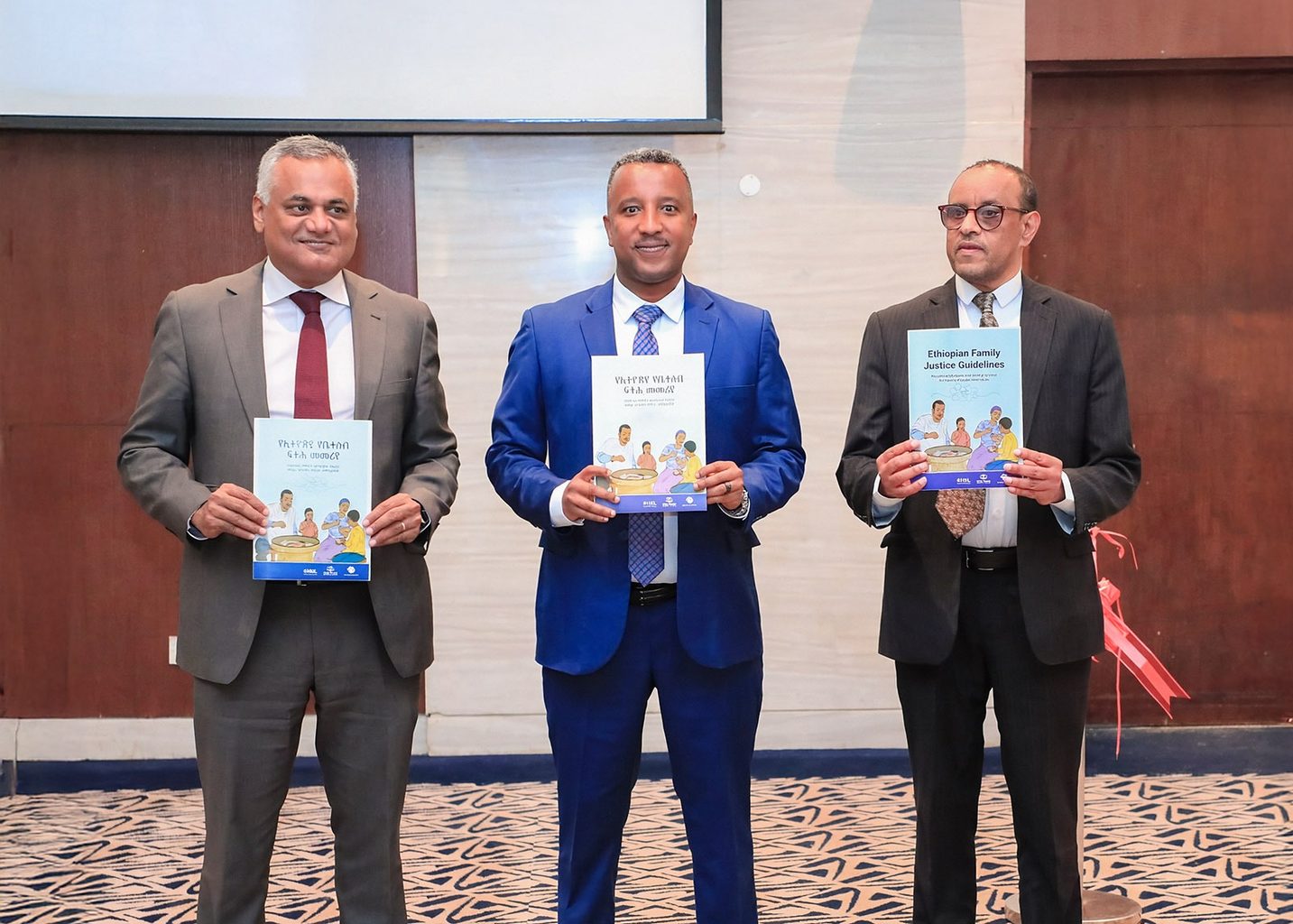
Launched in Addis Ababa on 13 August 2026 through a partnership between the Ministry of Justice, HiiL, and Destiny Ethiopia, the Guidelines provide practical guidance across five core areas: maintenance, child custody, visitation, property administration, and divorce.
The Guidelines do not create new laws or replace existing codes. Instead, they transform abstract legal principles into practical, human-centered approaches that help practitioners navigate delicate family dynamics. At the launch event, State Minister of Justice H.E. Dr. Ermias Yemaneberhan emphasized that while family matters may seem legalistic on the surface, they are deeply bound to emotion, relationships, and culture—realities that standard courtroom rulings often cannot address on their own. The Guidelines focus on constructive dialogue, de-escalation, and mediation. They prioritize fairness, the best interests of children, and direct protection for women and vulnerable groups. They also address the practical questions that determine whether a legal right can actually be exercised. During practical training sessions, participants worked through questions such as how to make child-support payments more reliable, track arrears without repeated court visits, and account fairly for in-kind contributions such as food or agricultural support.
Co-created with the people who deliver justice
Developed over ten months, the Guidelines reflect a true co-creation effort. Adapting evidence-grading methods long used in healthcare, the project team combined global research with real-world insights from judges, lawyers, academics, and customary elders across Amhara, Sidama, and Addis Ababa. Bringing practitioners from three distinct regions to the same table revealed shared challenges while uncovering unique regional specific community-based solutions.
In Sidama, Judge Ato Belachew highlighted the traditional Afini dispute resolution practice, which emphasizes dialogue, reconciliation, and restoring community relationships. Recognizing Afini in the Guidelines demonstrates how culturally rooted practices can complement formal justice and advance human-centered principles of participation, dignity, and social harmony. Ato Melese from Addis Ababa University’s School of Law noted the danger of applying family law mechanically, particularly during divorce proceedings. He highlighted the Guidelines’ ability to translate broad statutory language into practical, compassionate guidance. Ato Mulugeta of Bahir Dar University described the effort as giving practical « flesh » to fundamental rights protected under Ethiopia’s Constitution and international agreements like the Convention on the Rights of the Child.
From launch to practice
The work did not stop with the launch. In the weeks that followed, workshops in Sidama, Afar and Addis Ababa brought formal justice professionals and customary providers together to test the Guidelines against real family disputes and refine them through practical feedback. In Addis Ababa, 22 mediating elders from across the city’s 11 sub-cities joined justice experts for hands-on sessions. Reflecting on their deep standing in the community, participants noted how the Guidelines offer a standardized framework that enhances consistency while honoring traditional cultural practices.
Practitioners identified three priorities for the next phase: expanding regional training, strengthening support for customary justice, and ensuring women have a direct role in mediation and dispute resolution. The true measure of any guideline lies in how effectively it transforms daily practice on the ground. The focus now shifts to learning from local implementations, refining tools based on feedback, and empowering every justice provider to use them effectively.
Read our Guidelines on Family Justice in Ethiopia here